is taking ketones dangerous Ketone ketones ketosis blood taking diabetes urine ruled
Hey there! Today, let’s talk about ketones, a topic that has been making headlines recently. Ketones are compounds produced by the liver when the body is in a state of ketosis, which means it is burning fat for energy instead of carbohydrates. While this may sound like a good thing, there are some important things you need to know about ketones and their potential dangers. First, it’s important to understand that ketosis is a natural metabolic state that occurs when the body doesn’t have enough glucose (sugar) for energy. This can happen when your diet is very low in carbohydrates, such as the ketogenic diet, or when you are fasting. When the body is in ketosis, it begins to burn fat for energy, which produces ketones as a byproduct. Now, let’s talk about the potential dangers of ketones. While mild ketosis is generally considered safe, it can become dangerous when ketone levels in the blood become too high. This condition, known as ketoacidosis, can be life-threatening and requires immediate medical attention. Some common symptoms of ketoacidosis include excessive thirst, frequent urination, nausea and vomiting, abdominal pain, shortness of breath, and confusion. If you are experiencing any of these symptoms and have reason to believe you may be in ketoacidosis, seek medical attention immediately. But why do ketone levels become too high in the first place? One common reason is poorly managed diabetes. When diabetes is not properly controlled, the body can’t effectively use glucose for energy, which leads to high blood sugar levels. In an effort to compensate, the body begins to burn fat for energy, which produces ketones. Another reason ketone levels may become too high is due to extreme dieting or fasting. These practices can cause the body to enter a state of starvation, which can lead to the production of excess ketones. So what can you do to keep your ketone levels in check? The best way to prevent high ketone levels is to maintain stable blood sugar levels by properly managing diabetes. If you are following a low-carbohydrate diet or fasting, make sure to monitor your ketone levels closely and seek medical attention if they become too high. In conclusion, while ketones may seem like a trendy topic, they can actually be quite dangerous if not properly understood and managed. Always be aware of your body and any symptoms you may be experiencing, and seek medical attention if necessary. Stay healthy and stay safe, folks!
If you are searching about Is Taking Ketones Bad For You - Ketones What You Need To Know / So, how you’ve came to the right page. We have 5 Pictures about Is Taking Ketones Bad For You - Ketones What You Need To Know / So, how like Is Taking Ketones Bad For You - Ketones What You Need To Know / So, how, What are ketones, and why are they dangerous? and also Fact or Fiction: Does Taking Exogenous Ketones Stop Fat Loss? - Perfect. Here you go:
Is Taking Ketones Bad For You - Ketones What You Need To Know / So, How
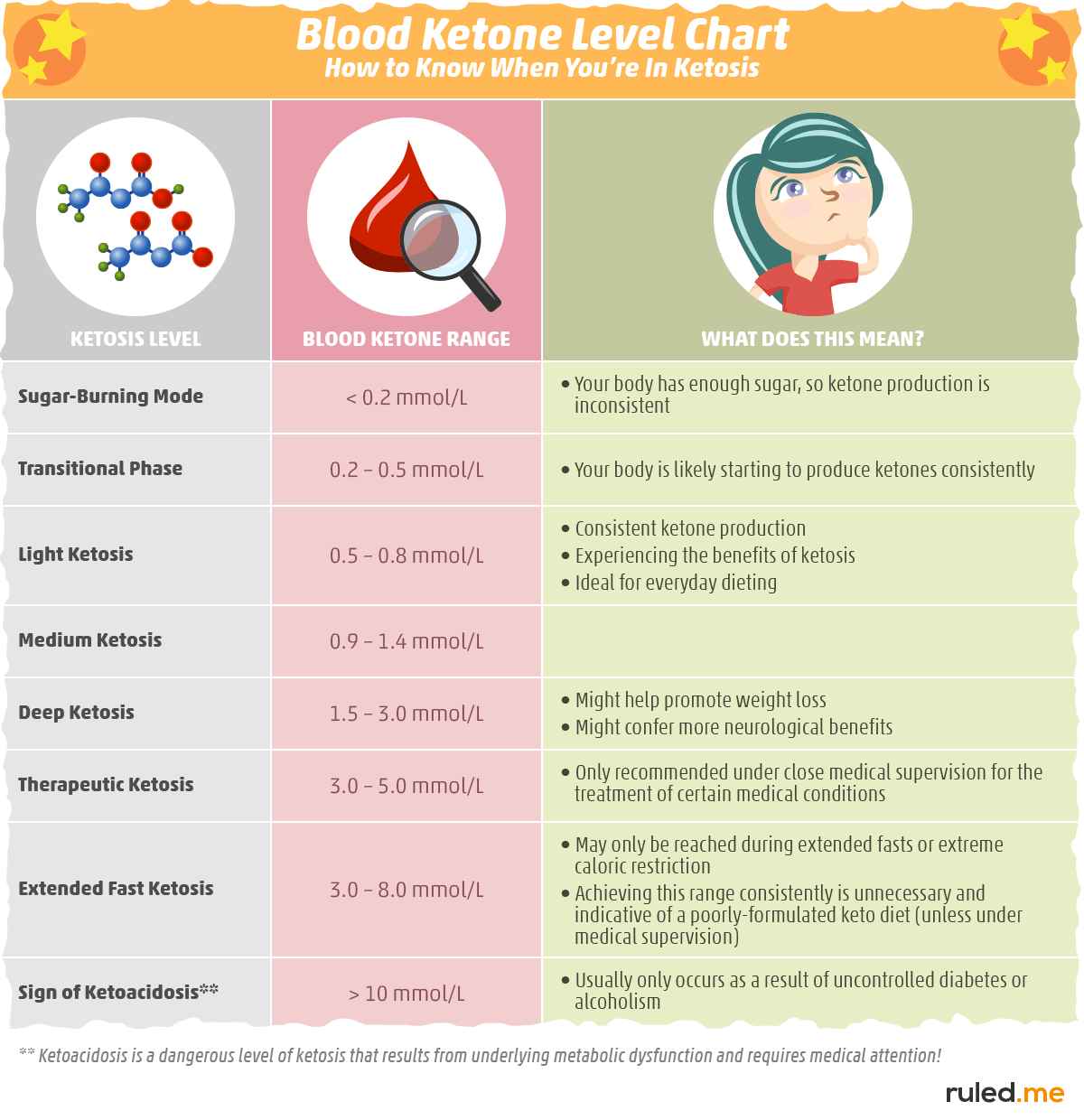 jerrieyer.blogspot.comketone ketones ketosis blood taking diabetes urine ruled
Fact Or Fiction: Does Taking Exogenous Ketones Stop Fat Loss? - Perfect
 www.perfectketo.comketones exogenous
What Are Ketones, And Why Are They Dangerous?
 www.singlecare.comketones
What Are The Benefits Of Taking Ketones?
 ketoelevated.comketones
Ketones — The 6 Must-Knows
 beyondtype1.orgketones cetonas beyondtype1
What are the benefits of taking ketones?. Fact or fiction: does taking exogenous ketones stop fat loss?. Ketones cetonas beyondtype1